SEO

Ecommerce SEO Basics That Still Work in 2026
Search has changed a lot since the early days of chasing exact match keywords and stuffing them into every heading on a page.
The fundamentals that separate ranking pages from ignored ones have not moved nearly as much as the industry noise suggests.
Most of what actually works today would have worked five years ago too. Here is the full picture, from the basics to what genuinely changed by 2026.
Key takeaways
- Pages that clearly answer the question outperform pages that just mention the keyword.
- Technical basics, speed, structure, schema, remain the floor, not the ceiling.
- Earned links still carry real weight. There is no reliable shortcut around this.
- Rankings move faster now, which rewards ongoing maintenance over one time effort.
- A small number of well maintained pages beats a large volume of thin ones.
The page has to actually answer the question
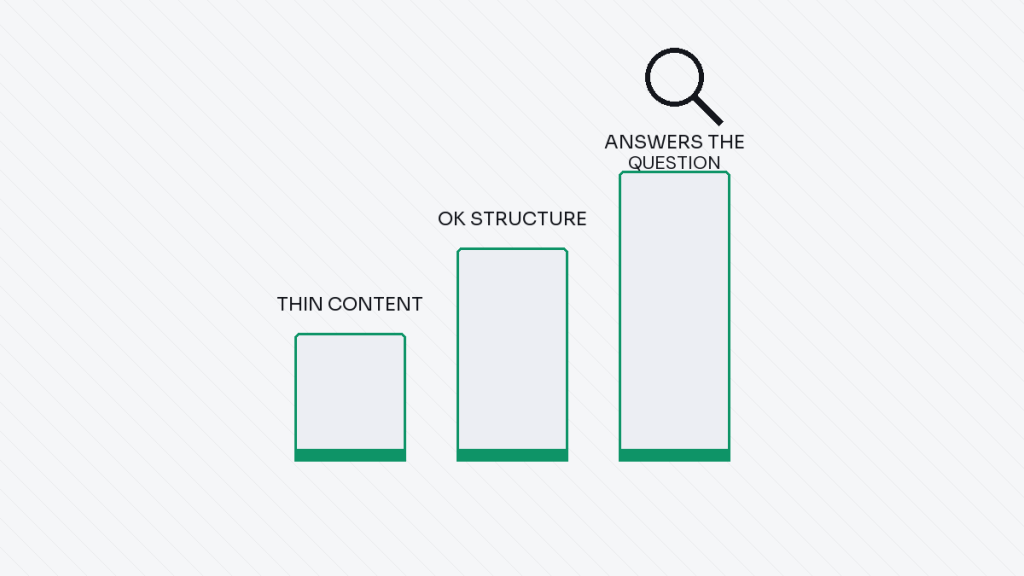
Search engines have gotten much better at recognizing when a page genuinely satisfies what someone was looking for, not just when it repeats the right words.
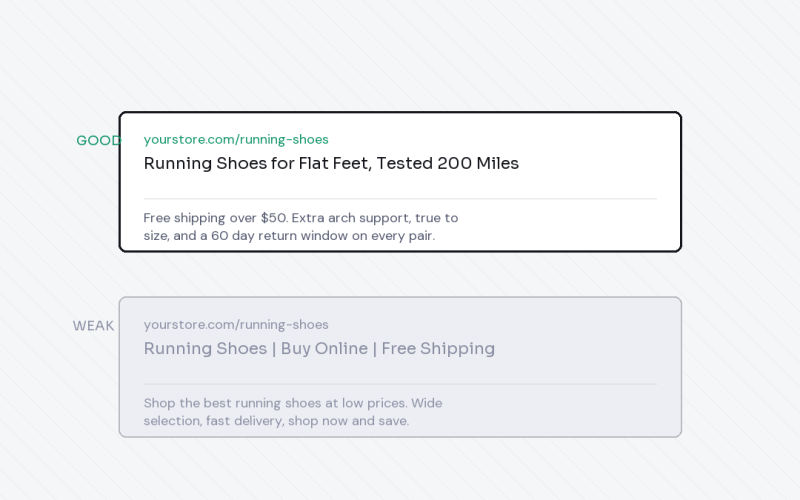
Write for the person who typed the question, then structure it so a search engine can follow the answer. A page that answers the question in the first two paragraphs, clearly and directly, tends to outperform a page that makes the reader scroll through three paragraphs of introduction first.
This is where a lot of content still goes wrong. It is written to satisfy a keyword density target instead of a real question, which produces pages that mention the right terms without ever clearly answering anything.
Technical basics still decide whether a page gets seen at all
A fast loading page, a clean heading structure, working internal links, and complete schema markup remain the floor, not the ceiling.
None of this guarantees a page will rank, but skipping it can guarantee a good page never gets the chance. RankMath surfaces most of this automatically, but it still needs someone checking that the flags actually get fixed, not just noted and left in a list.
Heading structure deserves particular attention. A page with one clear H1, logically nested H2s and H3s under it, is easier for both readers and search engines to understand than a page where headings are chosen for visual size rather than logical structure.
The technical basics worth checking first
Not every technical fix deserves equal priority.
Page speed on mobile, a single clear H1 per page, and complete schema markup on product and article pages tend to have the biggest impact for the least effort. Broken internal links and duplicate title tags come next. Chasing minor technical scores past this point usually returns less than putting that same time into the actual content.
Authority is earned slowly, not requested
Links from relevant, trustworthy sites still carry real weight.
There is no shortcut that replaces being the kind of resource other sites want to reference. Buying links, exchanging links in bulk, or chasing low quality directory listings tends to do more harm than good, since search engines have gotten good at spotting patterns that look manufactured rather than earned.
The pages that earn links naturally tend to be the ones that are genuinely useful enough that someone else’s writer or researcher wants to cite them: original data, a clear comparison, a guide that actually covers the topic completely.
Search rewards pages built for the person reading them. Everything else is maintenance.
What actually changed by 2026
The tools got better at spotting thin, repetitive content, and patience became more important than volume.
A smaller number of well built, well maintained pages consistently outperforms a large number of rushed ones, which is exactly why a content system beats a content calendar. Search engines also got better at understanding context and synonyms, which means writing naturally for a human reader now serves the algorithm better than writing stiffly for it.
The other real shift is speed of iteration. Rankings can move faster now, in both directions, which rewards sites that treat SEO as ongoing maintenance rather than a project with an end date.
Where AI search fits into this
AI generated summaries and answer boxes now sit above some search results.
This has not replaced the fundamentals. A page that clearly and directly answers a question is also the page an AI summary is most likely to pull from and represent accurately. The advice has not split into two separate skills. It has become slightly more important to do well.
A simple monthly SEO habit
- Check page speed on a real mobile connection, not just a lab test.
- Confirm every important page has one clear H1 and a logical heading order.
- Verify schema markup is present and free of errors on key pages.
- Search your top keywords and note who is outranking you, and why.
- Update one older page instead of publishing one new one, at least once a month.
Where this leaves a small ecommerce team
None of this requires a large team or a large budget.
It requires picking a small number of pages that matter, getting the technical basics right on them, and revisiting them on a schedule instead of abandoning them the day they go live. That is a realistic habit for a small team, and it consistently outperforms teams publishing more but maintaining less.
Frequently asked questions
Has keyword research become less important
No, but the goal has shifted from matching exact phrases to understanding the real question behind a search and answering it clearly.
Do I need to write differently for AI search results
Not separately. Clear, direct answers that work well for human readers also tend to work well for AI generated summaries.
How important is site speed compared to content quality
Both matter, but speed problems can prevent good content from ever getting a fair chance, since visitors and crawlers may leave before it loads.
Is link building still worth the effort in 2026
Yes, when it is earned through genuinely useful content rather than purchased or exchanged in bulk, which search engines continue to detect and discount.
The short version
The fundamentals have not changed. The pace at which they need to be maintained has. Build fewer, better pages, and keep showing up to maintain them.
Dhanik
I build the automation and marketing systems that let ecommerce brands grow without adding more manual work: email and SMS flows, workflow automation, reporting, and the content and SEO that feeds all of it. Currently building these systems at TechDeliveryPartners, after four years running SEO and content at KonixWeb, and seven years total in search and digital marketing.
View full profile